Skills & Expertise
Hardware & Electronics
Microcontrollers & Protocols
Software Development
Libraries & Frameworks
Tools & Concepts
Soft Skills
About Me
Education
- University of Vermont
- BS Electrical Engineering
- BS Computer Science
- GPA: 3.82/4.0
- Expected Graduation: May 2026
- Golden Key Honor Society (Top 15%)
Experience
- Software Engineer Intern - Schneider Electric
- Teaching Assistant - UVM (Fall 2024 & 2025)
- Raspberry Pi & Circuit Labs
- Based in Lawrence, MA
Connect
- LinkedIn Profile
- GitHub Portfolio
- View Resume | Download PDF
- oacook38@gmail.com
Featured Projects

Inductive Pressure Sensor Electronics & Packaging
Collaborated with three peers and industry client Simmonds Precision to advance prior year's capstone project. Designed and tested signal conditioning circuit, developed PCB layout in KiCad, packaged sensor for industrial use, and integrated CAN protocol for embedded system communication. Emphasized circuit optimization, signal integrity, and real-world manufacturability constraints.

AI-Powered Code Reference Chatbot
Developed intelligent chatbot system at Schneider Electric to efficiently reference and navigate company source code. Gained hands-on experience with software architecture, algorithm implementation, and working with complex technical systems. Applied AI/ML concepts to solve real-world engineering challenges, reinforcing skills applicable to embedded and electronics projects.
1st Place Target Acquisition Contest
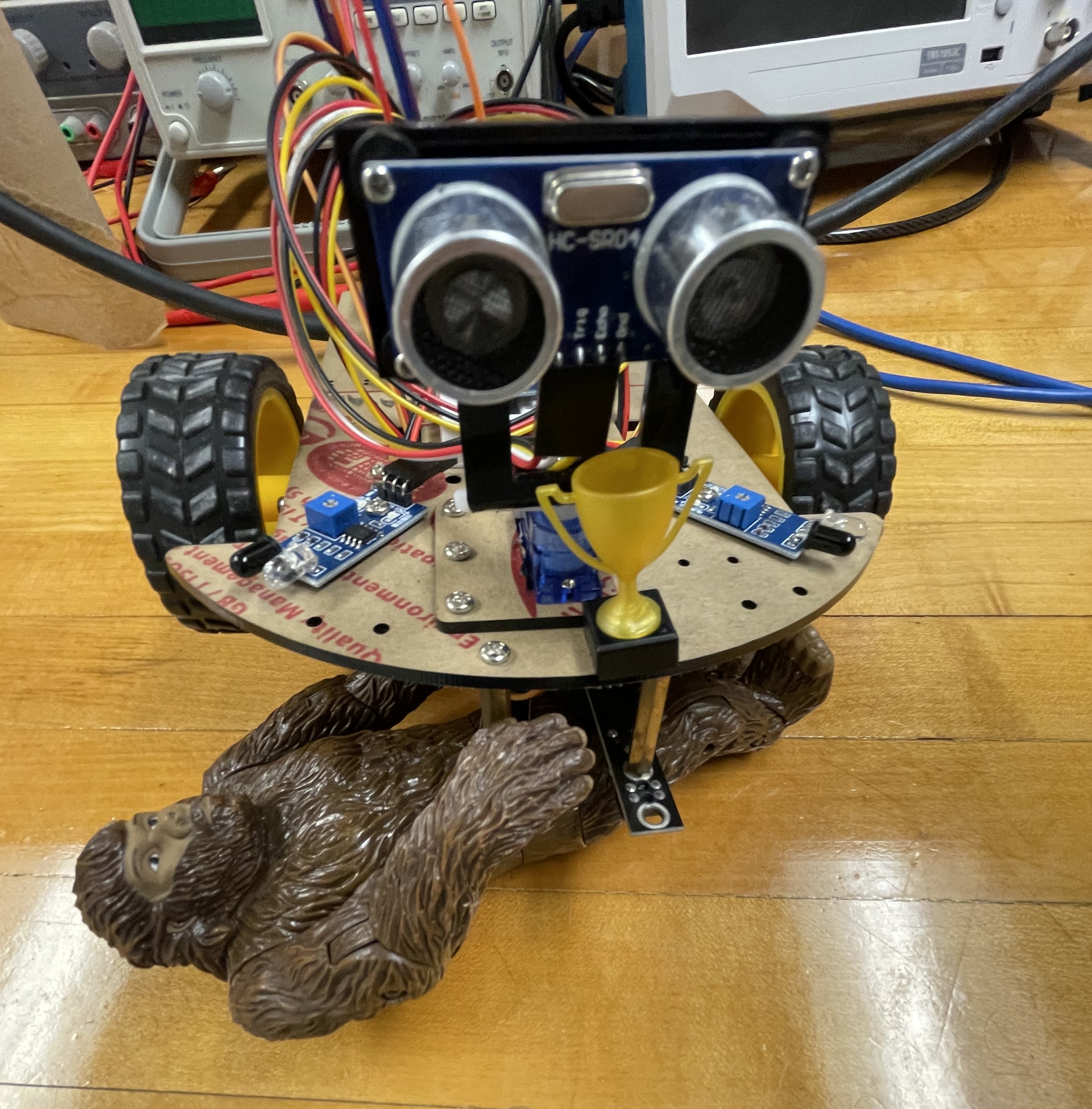
Competed in target acquisition contest using Arduino car kits. Partnered to create the best-performing design in the course's history, winning first place. Implemented autonomous navigation, sensor integration, and precise motor control algorithms to locate and acquire targets faster and more accurately than all competing teams.
Transistor-Level Op-Amp Circuit Analysis
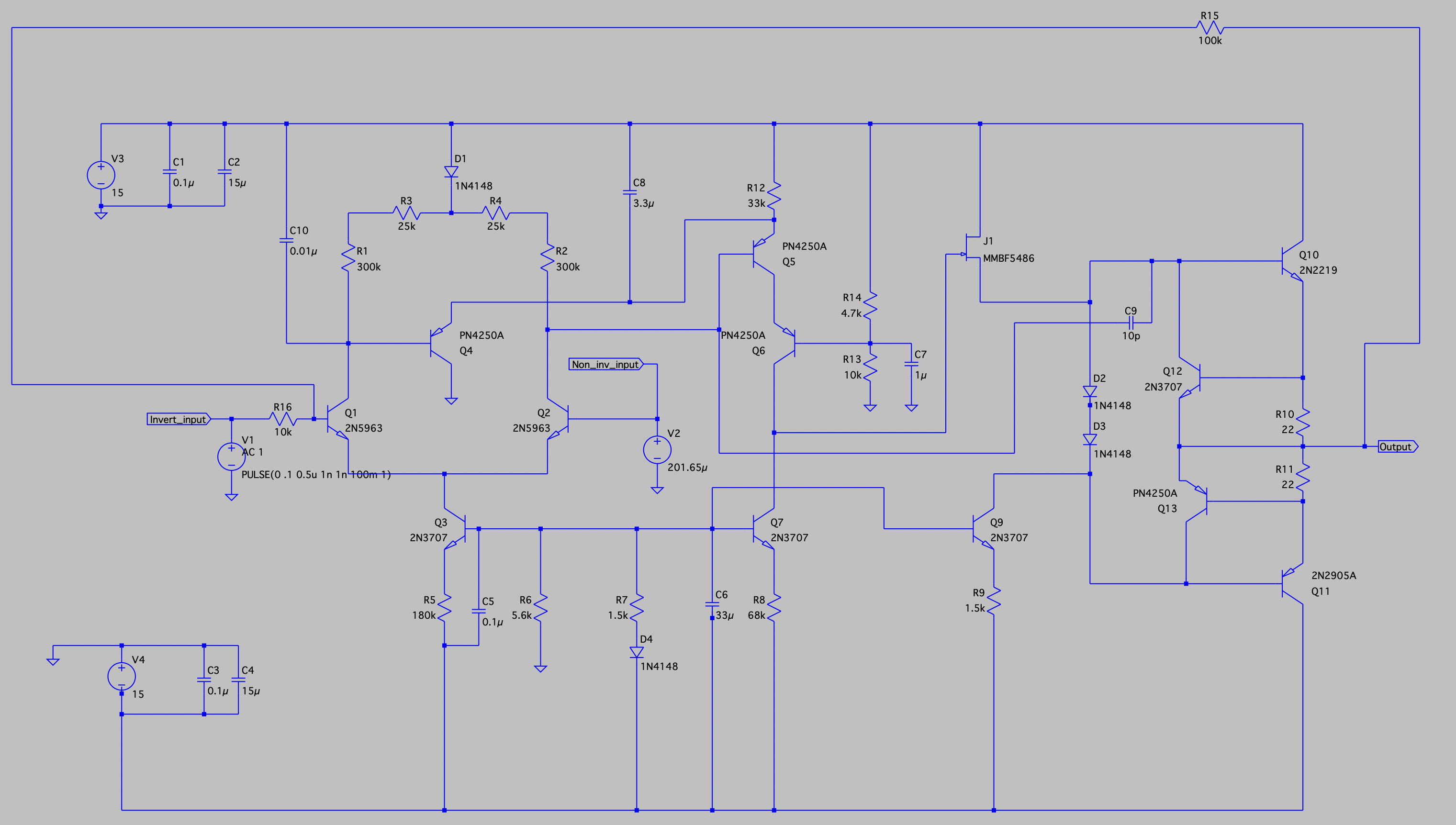
Performed comprehensive analysis of multi-stage bipolar operational amplifier at the transistor level using LTspice. Evaluated operating points, biasing strategies, gain characteristics, bandwidth, slew rate, and frequency response. Analyzed circuit sensitivity to component variations and studied how internal biasing and compensation influenced amplifier stability, PSRR, and overall performance.
Stepper Motor Controller
Designed and built a state machine-based stepper motor controller with three operational modes: Handwave (36-step bidirectional movement), Free Range (continuous counter-clockwise rotation), and Idle (coil discharge). Implemented using 74LS logic chips, 4-bit counters, H-Bridge drivers, and D flip-flops over a 5-week development period.
Sound-Activated LED Circuit
Developed a clap-detection circuit that triggers an LED with adjustable duration control. This solo project demonstrates signal processing and timing circuit design principles in analog electronics.
Galaga Reimagined
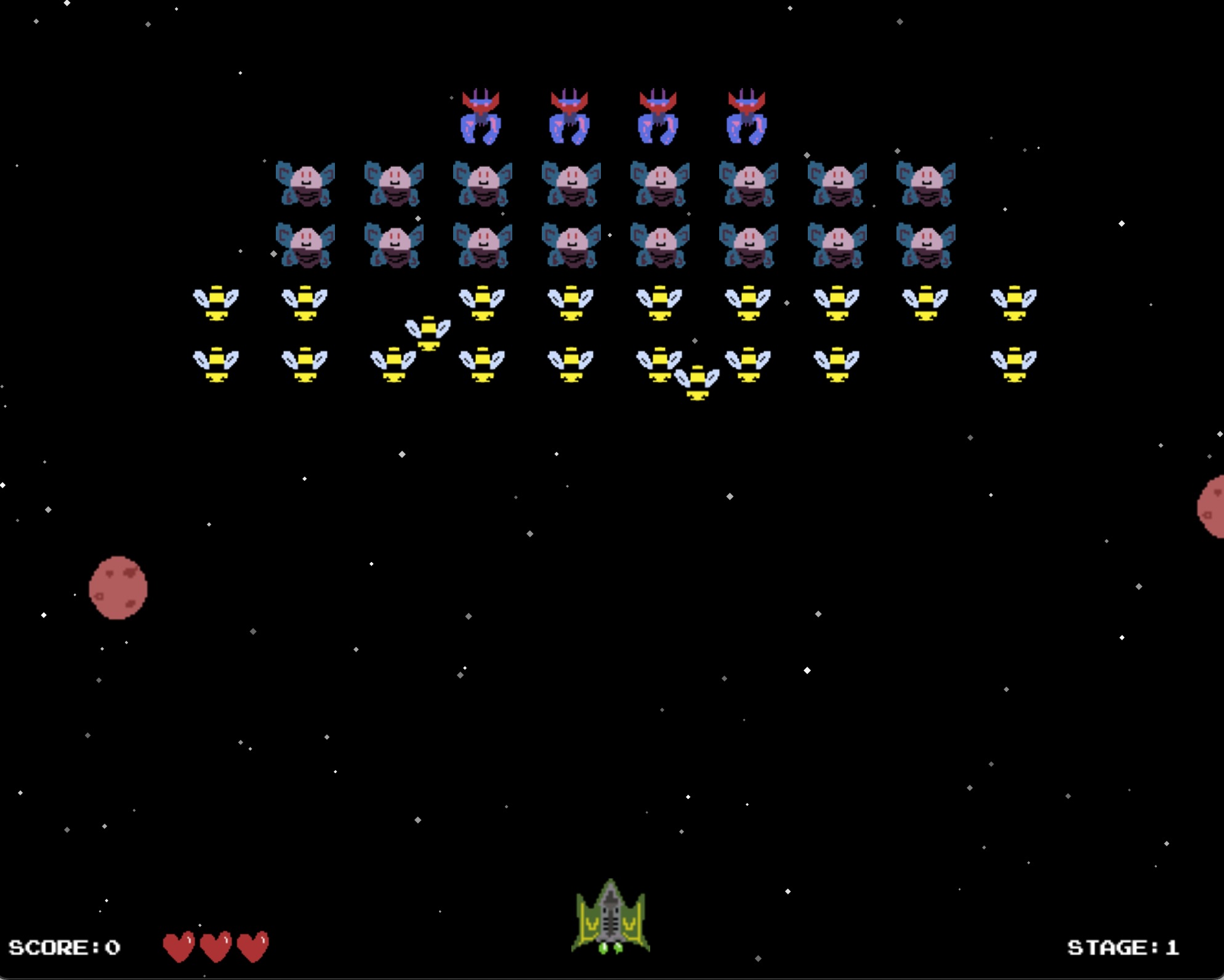
Collaborated with a team to create a modern interpretation of the classic Galaga arcade game using Python Arcade, PyInstaller, and Google Firestore for cloud-based features. This project earned third place at the UVM Computer Science Fair.
MBTA LED Transit Map
Built an interactive LED map of Boston's MBTA transit system using addressable LEDs and dual ESP32 microcontrollers. Future enhancements include custom PCB design and real-time API integration for live transit updates.
Solar-Powered DC-DC Converter
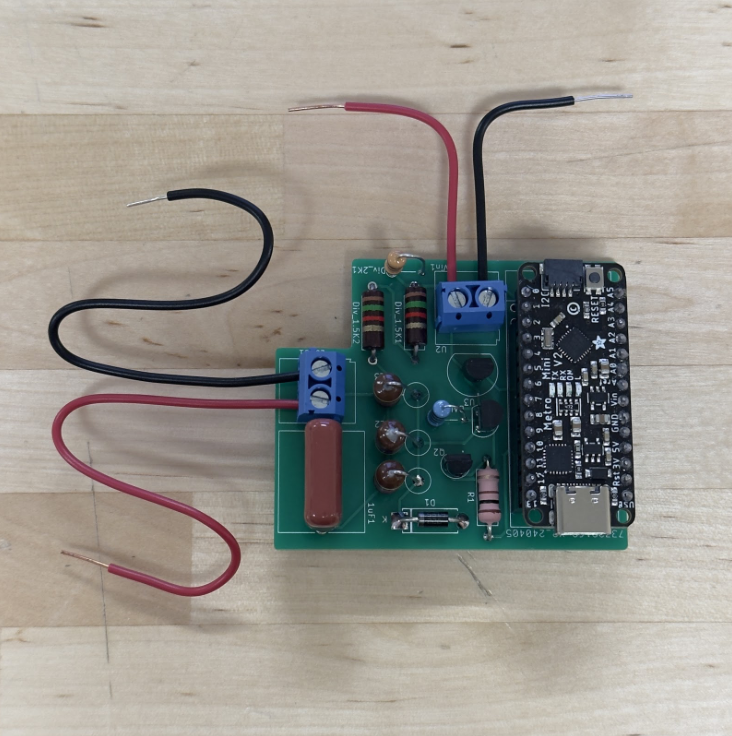
Designed a buck converter circuit to step down 20V solar panel output to 5V for powering a 1.2V DC motor. Completed full circuit design, PCB layout, fabrication, and assembly with a project partner.
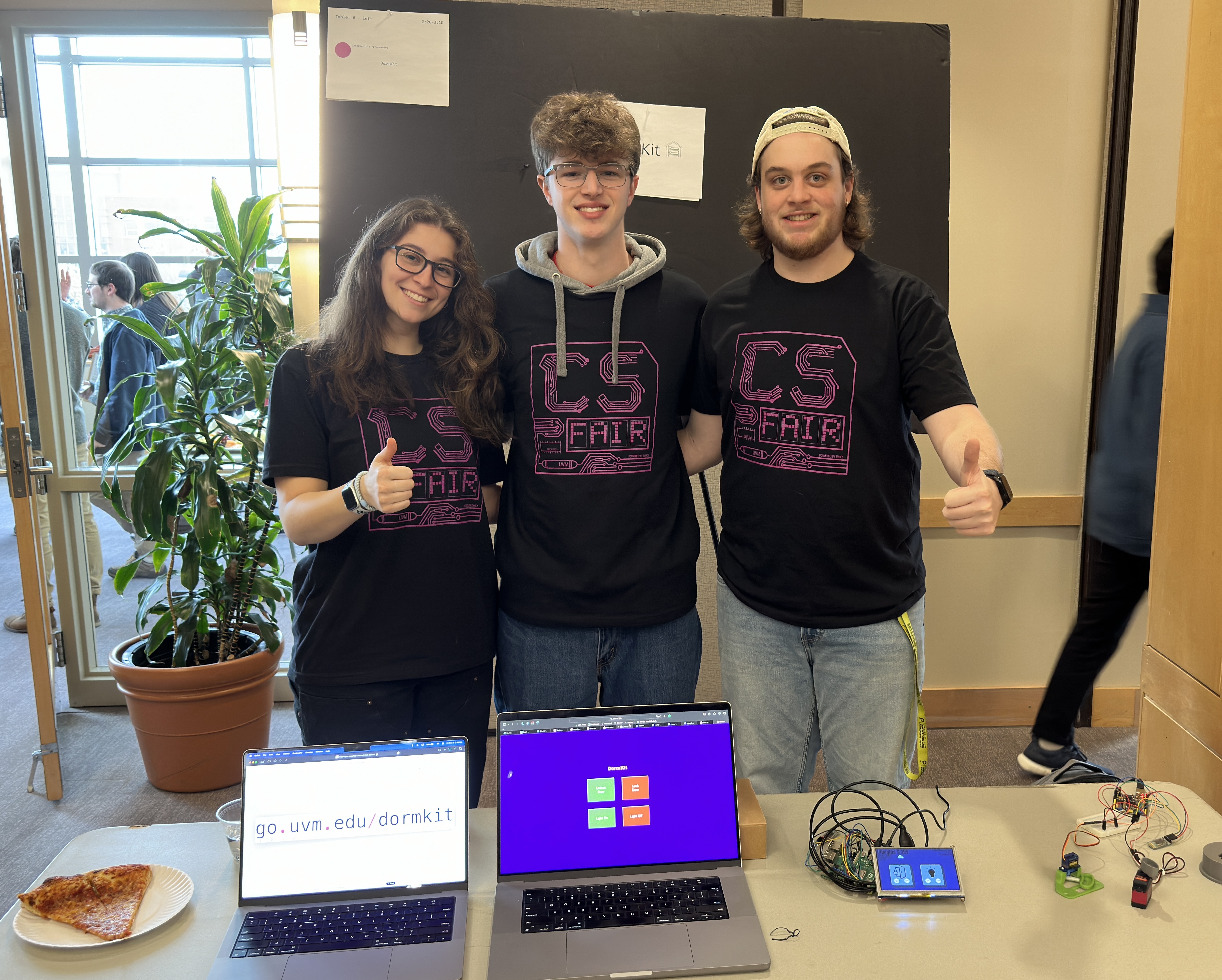
DormKit Smart Home System
Created a comprehensive IoT smart home solution designed for college dorm rooms. Features include a central hub, automated lighting control, smart door locking, and remote access capabilities from anywhere on campus.

Arduino Smart Doorbell
Prototyped a smart doorbell system using Arduino Uno R3 and various sensors from the ELEGOO starter kit. Developed as a course final project demonstrating embedded systems integration and sensor interfacing.
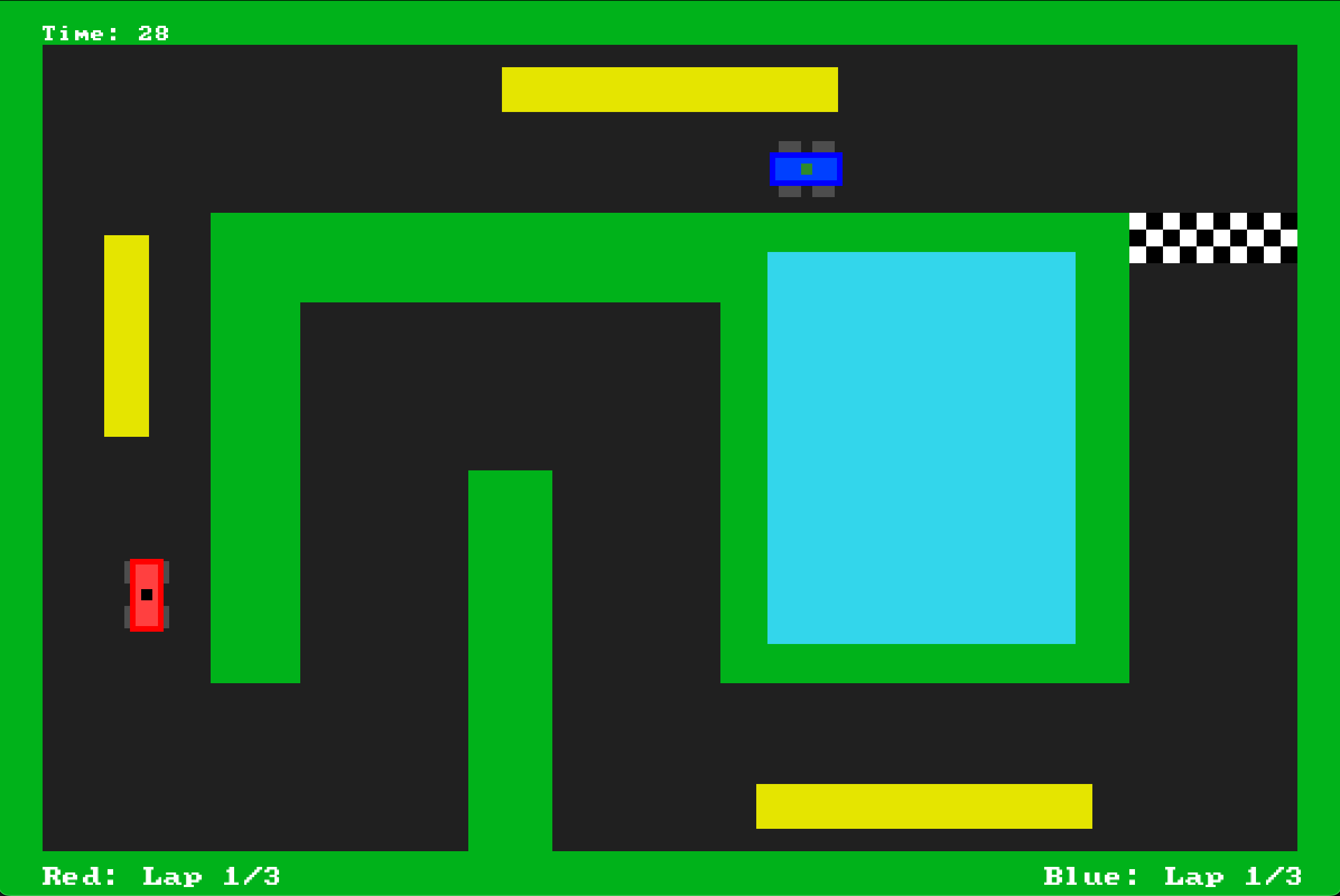
Blob Kart Racing Game
Developed a Mario Kart-inspired racing game in C++ using OpenGL, GLFW, and GLM. Collaborated with Aaron Perkel to build custom game mechanics and graphics rendering on top of starter code provided by course instructors.